
Haunting Reads for Fall Evenings

Turn to these eerie novels as it starts to get dark earlier outside. They range from true horror novels to classic ghost stories to unsettling new looks at the world all around us.
Reading List

Acclaimed crime writer Franck Thilliez turns his hand to horror for the first time. On the North American Taiga, Abigaël is finally heading toward the infamous Devil’s Road. A year earlier, it was on this isolated 666-kilometer stretch of road that her daughter Iris and her boyfriend Mathis stopped communicating. Accompanied by Mathis’s father and two influencers seeking thrills to set social media abuzz, she sets out on the road to retrace their steps and find answers.

When cinema and life come together to create fierce drama, the writer’s eyes light up. What do The Birds, Marnie, Body Double, Working Girl, The Bonfire of the Vanities, and Fifty Shades of Grey have in common? In other words, two undisputed classics by Alfred Hitchcock, the visual landscape of the 1980s, and the biggest soft-core porn phenomenon of our time? Their heroines: Tippi Hedren, Melanie Griffith, and Dakota Johnson—three women who have actively vanished, from mother to daughter…
In the style of a reimagined nonfiction narrative, Hélène Frappat presents a spiderweb-like investigation into the truly surreal reality of a lineage of cursed Hollywood stars. And she makes us see, as never before, what had been right before our eyes all along.
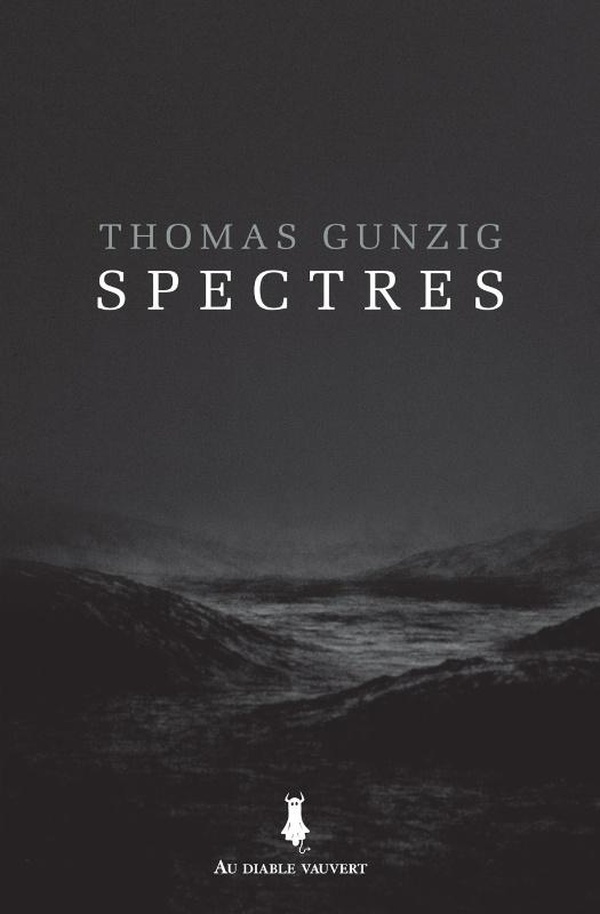
“What we could see of the Secondary Dimensional Plane was a landscape. A strange and calm landscape. A sky of perfect, immaculate black, without stars or celestial bodies. The ground seemed to consist of rectangular structures piled one on top of the other, much like fallen leaves in the fall. All the way to the horizon—or what served as the horizon—there was nothing but a gently rolling landscape reminiscent of the swell on a calm ocean.”
When a physicist discovers access to a parallel dimension, it doesn’t take long for capitalism to seize it. Bases are built there. They drill. They destroy. The goal? To exploit what was, for a long time, humanity’s greatest mystery.

Lucie is not a talented witch. Her two daughters, however, turn out to be extremely gifted—far beyond Lucie’s expectations and hopes, as she had only aspired to make them effective witches. As for Lucie’s mother, her genius is absolute. But who are the crows? Are we freer when we take the place of birds, assuming their form and appearance, and imitating their cries?
This Booker Prize selection showcases NDiaye at her weirdest and most inventive.

This novel transports us to the vast Hungarian plain, swept by the wind and the ceaseless autumn rain. On a collective farm that has been dismantled and left to fall into ruin, a few residents eke out an existence, spying on one another and plotting against each other, when a rumor spreads that two other characters—believed to be dead—are returning. This news turns the lives of these people, who lack any sense of hope, upside down. Some see it as the arrival of a messiah; others fear it is Satan himself…
A dark farce tinged with irony, this novel—conceived as a tango in which dancers take the floor one after another—immerses us in a poetic journey filled with loneliness and melancholy, a quest for truth brimming with humanity, exploring the place of our existence in the face of Time.
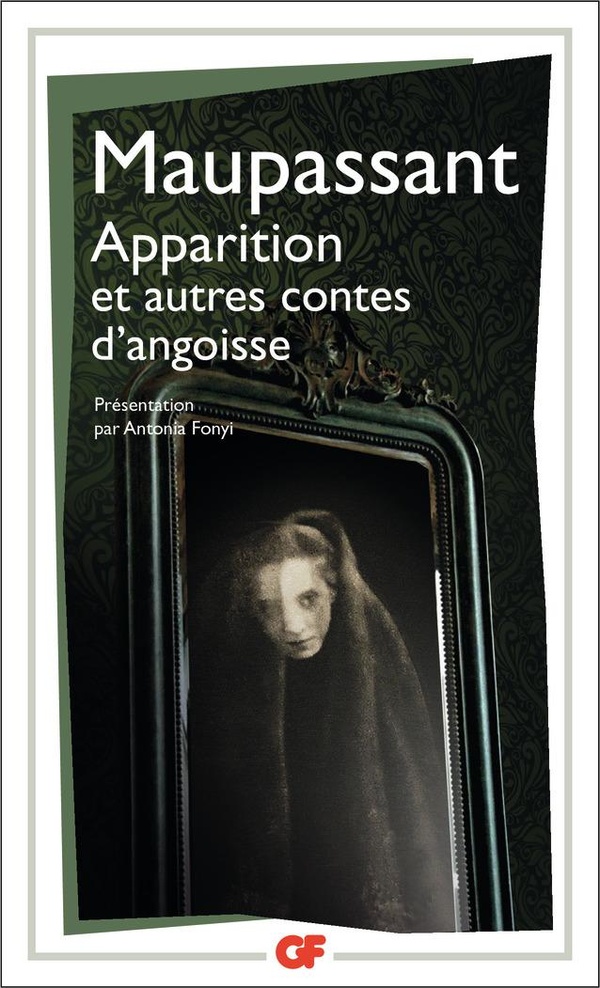
The 18 stories collected in this volume bear witness to a new kind of fantasy, tinged with psychological realism. Macabre reveries, absurd catastrophes, and pathological cases are marked by inconsistency and ambiguity, and end with that terrified question that betrays a loss of confidence in the solidity of judgments, things, and the self.

1885: the Salpêtrière hosts its annual, highly fashionable “ball of the madwomen.” For one evening, the cream of Parisian society mingles with the common folk to the tunes of waltzes and polkas. Behind this joyful scene lies a sordid reality: this “costume and dance” ball is nothing more than one of Charcot’s latest experiments, as a proponent of the public display of the insane.
In this harrowing and powerful book, Victoria Mas traces the fates of these women—victims of a patriarchal society that forbids them any deviation from the norm and imprisons them. Among them are Geneviève, devoted body and soul to the famous neurologist; Louise, abused by her uncle; Thérèse, a prostitute with a big heart who made the mistake of pushing her pimp into the Seine; and finally Eugénie, who, because she communicates with the dead, is sent by her own father to languish within the walls of what can only be called a prison.

In September 1912, when he arrived at the Görbersdorf sanatorium in Silesia, the young Wojnicz hoped to recover from his tuberculosis. At the Men’s Boarding House, he joined the all-male circle of half a dozen patients who, day after day, discussed the state of the world and, above all, the “woman question.” Highly sensitive and mistreated by an authoritarian father, Wojnicz strives to hide from others what he still fears he might become. As the conversation turns to ritual murders and witches who have taken refuge in the forest, our hero walks headlong into dark forces that he does not yet realize are already taking an interest in him. For in the background of this symposium of misogyny, the voice of a feminine entity—omnipresent and omniscient—rises.
Devilishly gothic and admirably constructed, this mischievous nod to The Magic Mountain leads its reader, blindfolded, to a climactic finale.
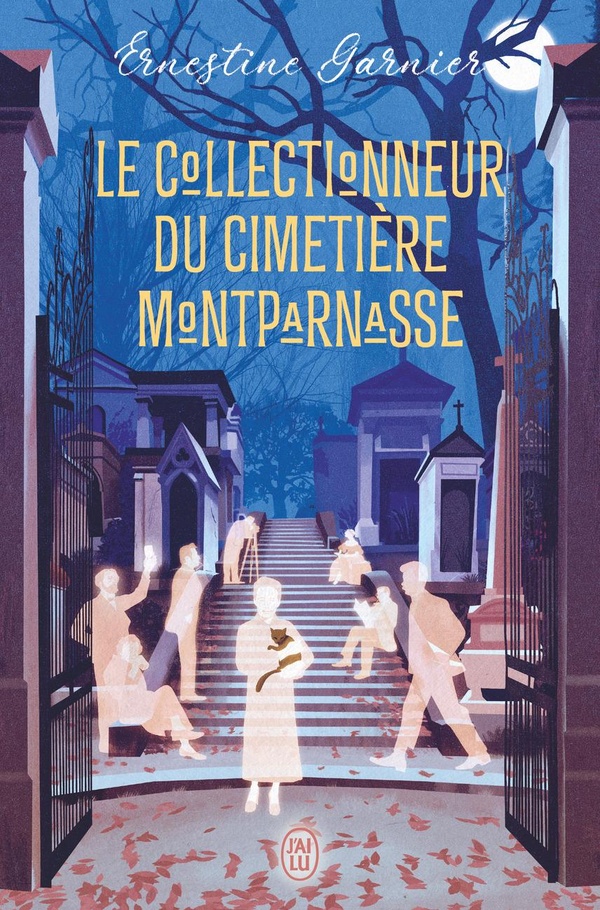
Accustomed to resting in peace, in the shadow of their rivals at Père-Lachaise, the dead of Montparnasse are furious: pens have been stolen from Marguerite Duras’s mausoleum, Desnos’s buoy has vanished. Someone is plundering them, and no one on earth seems to care. Even the cemetery’s longtime caretaker—the last kind soul to watch over their graves—has been forced into retirement.
Action must be taken, and fast. But how can this be done from the afterlife? It is Eugène Belgrand, the late inventor of the Paris sewers, who proposes recruiting candidates for resurrection to investigate. Alas, there’s no line at the gate: getting past the wall is an extraordinary feat—and a frightening one at that. Once you’re buried in the cemetery, you’re there to stay. Besides, the cooperation of a living person is essential. A young art dealer thus finds himself swept up in a strange mission orchestrated by Gainsbourg, Man Ray, and other more or less illustrious deceased figures, while Death and the Devil watch the events unfold with keen interest.