Albertine Summer Reads
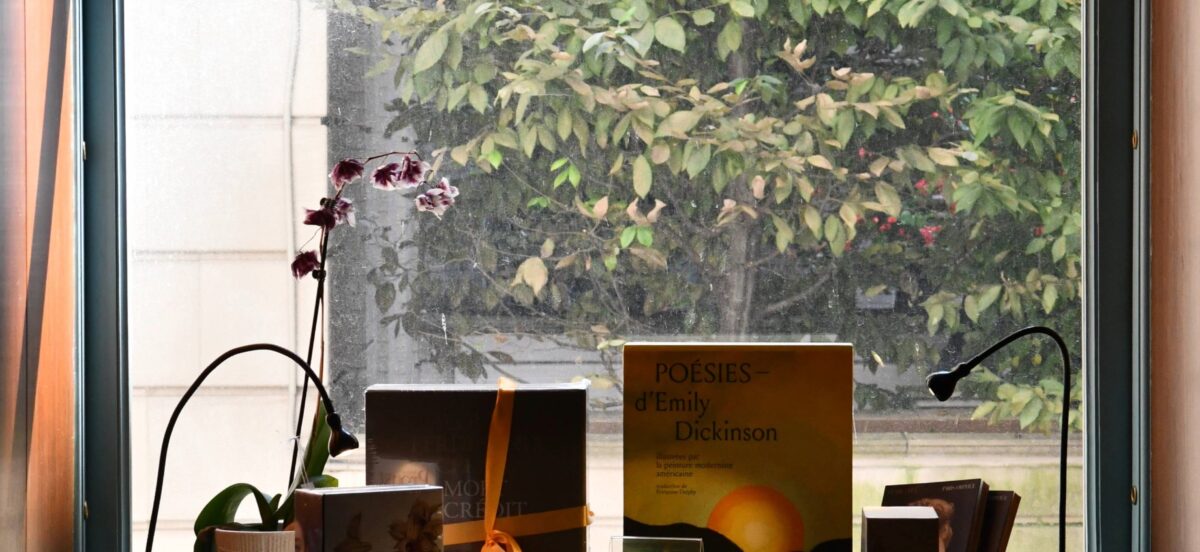
Summer is upon us and we have a selection of books for every kind of reader to enjoy by the beach, in the countryside, or on a sweltering city day in the park. From thrillers to history to classics to a celebration of every summer sport you can think of, this list has a little bit of something for everyone.
Reading List
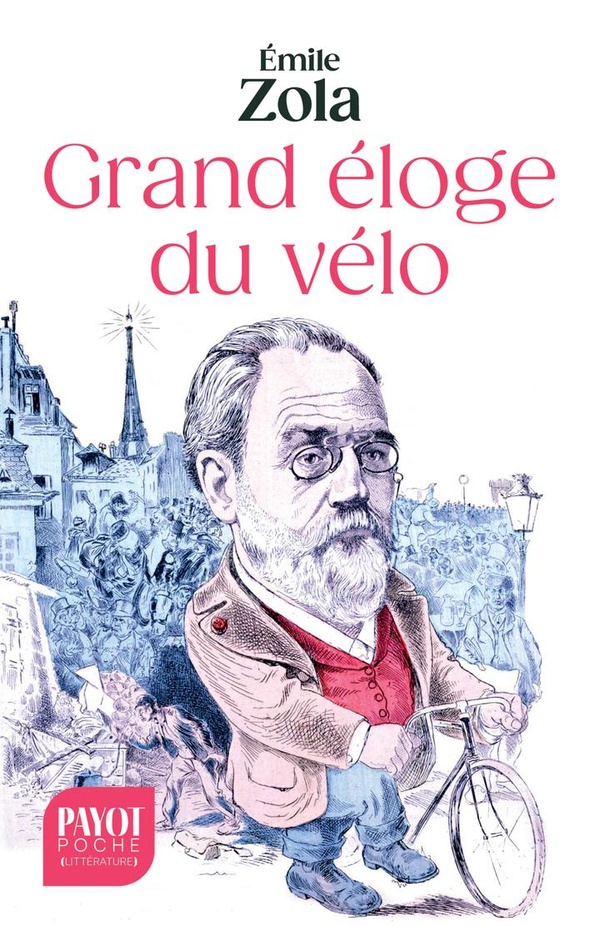
For lovers of cycling and of Zola…
The bicycle and Zola, its most effective ambassador in the late 19th century, shared a love affair. Beyond the sheer joy of riding, the novelist saw it as a symbol of modernity and had planned to write a novel about it; his accidental death prevented him from doing so. In this grand tribute to the “little queen,” Antoine de Baecque has compiled articles from the era devoted (sometimes ironically) to the writer’s passion, interviews with Zola himself on the subject, as well as his correspondence and excerpts from *Paris* (1897) and *Fécondité* (1899) in which the bicycle plays a prominent role.
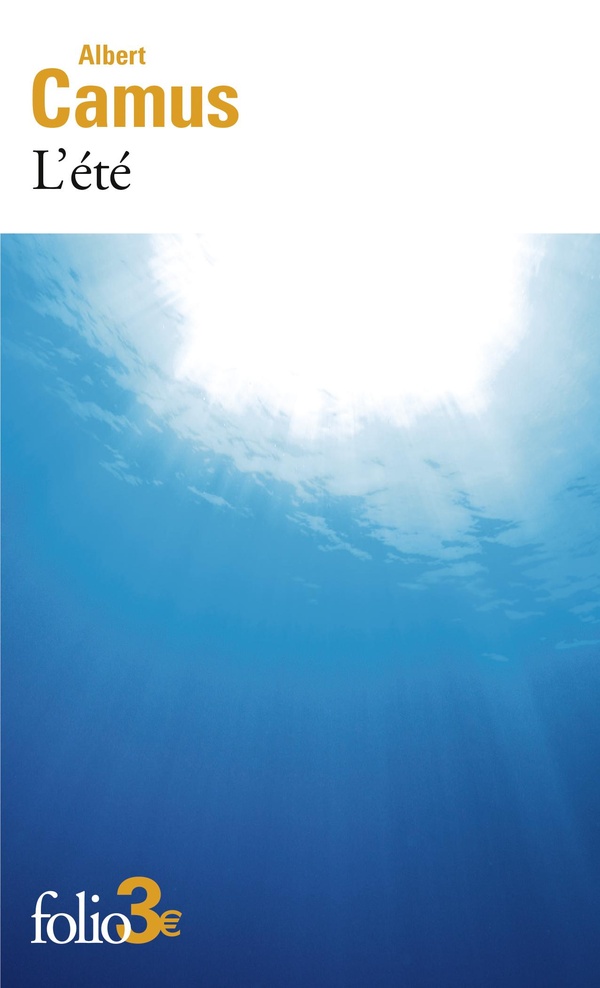
For readers of the classics…
Whether he follows Ariadne’s thread in the footsteps of the Minotaur to evoke Oran and its surroundings, revisits the myth of Prometheus in light of the violence of the modern world, or dreams of the beauty of Helen and Greece, Albert Camus takes us on a journey around the Mediterranean and its legends.
A short collection of lyrical and passionate texts that take us on a journey from Algeria to Greece via Provence.
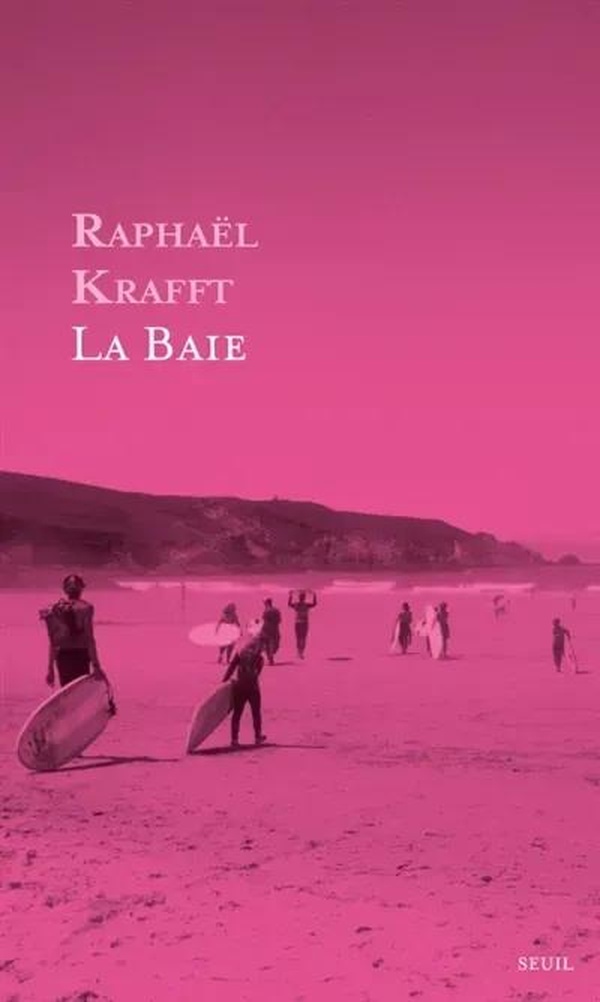
For surfers and other readers thinking about the secrets of the deep seas…
How can one surf among the dead without disturbing their eternal slumber? This is the story told by Raphaël Krafft, an international correspondent and writer, at the Bay of Souls, where the bodies of shipwrecked sailors mingle with those of sunken cities. A passionate
surfer who rides the waves at this remote spot with his friends, he takes us on a journey, like a cork adrift, through the oceans and eras that have shaped the history of this sport—now a way of life. From apartheid-era South Africa to Gaza via Brazil, he ponders, from this Bay, the possibility of escaping the world’s torments through surfing.
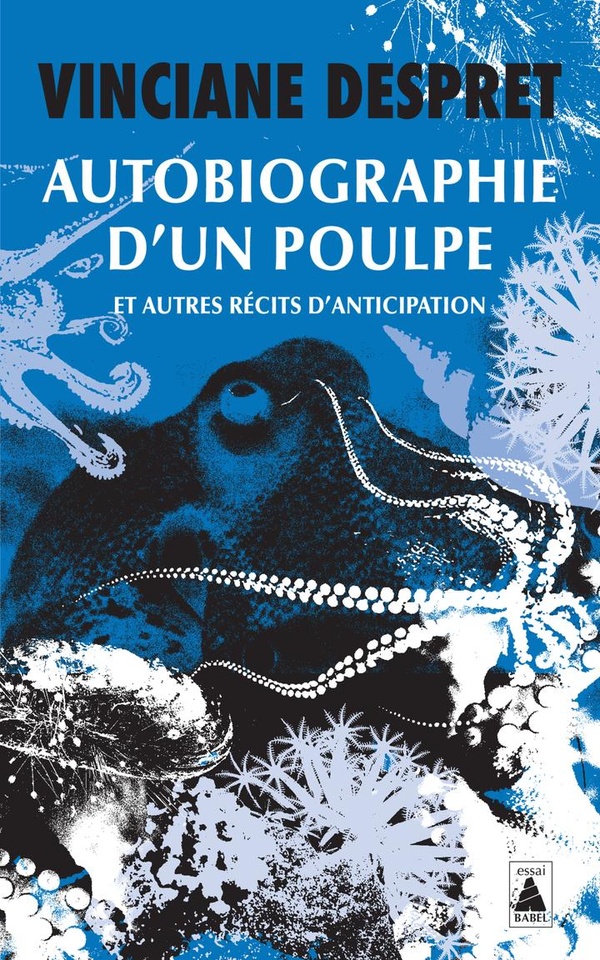
For amateur philosophers or anyone else who has ever wanted to get inside the head of an octopus…
These speculative stories plunge us into the heart of scientific debates set in an indeterminate future. Navigating the line between essay and fiction, Vinciane Despret creates a fascinating sense of unease: what if, indeed, spiders were urging us to silence the clatter of our machines? As for octopuses, believers in reincarnation, perhaps they despair at no longer being able to be reborn due to overfishing and ocean pollution? And, if we observe them closely, don’t wombats’ burrows offer us a powerful lesson in coexistence?
Through this astonishing thought experiment, informed by the latest scientific discoveries, the author of *Habiter en oiseau* offers a refreshing shift in perspective, paving the way for other ways of being human on Earth.
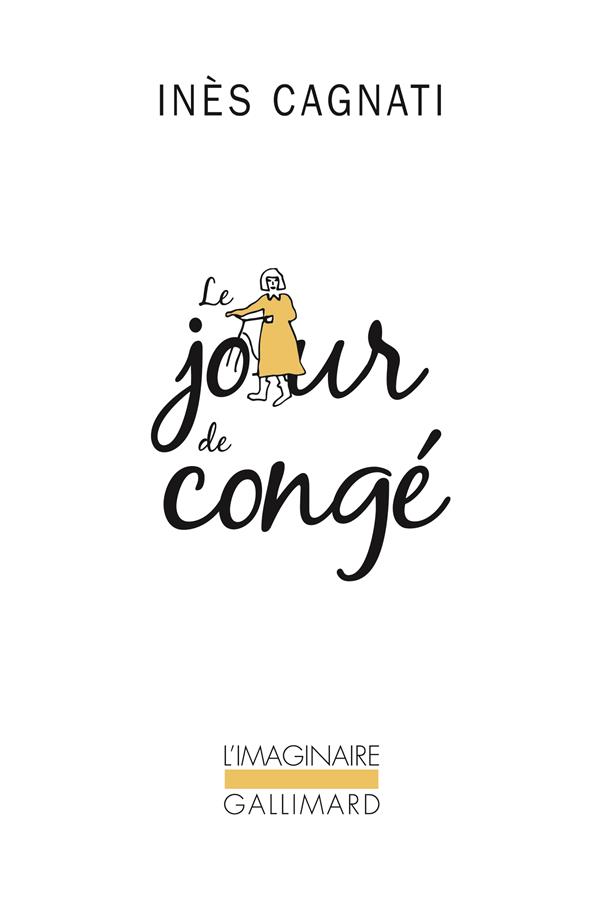
For lovers of Elena Ferrante and Marguerite Duras…
Galla is fourteen years old. She wants to fulfill a long-held dream: to buy the promised land and save her family from this isolated farm in the heart of the swamps, where both people and animals get lost. She leaves home and her countless sisters behind, despite her mother’s pleas—a mother left inconsolable by her absence. So here she is, a wild girl in love with the sun, out of place in the prim world of high school girls, only one of whom—the beautiful, radiant Fanny—takes an interest in her. Will Galla fulfill her dream? Then comes that sad Saturday in December when the desire to see her mother again prompts her to return home. She rides her old bicycle the thirty-five kilometers that separate her from home. When she finally arrives, her father chases her away. Why?
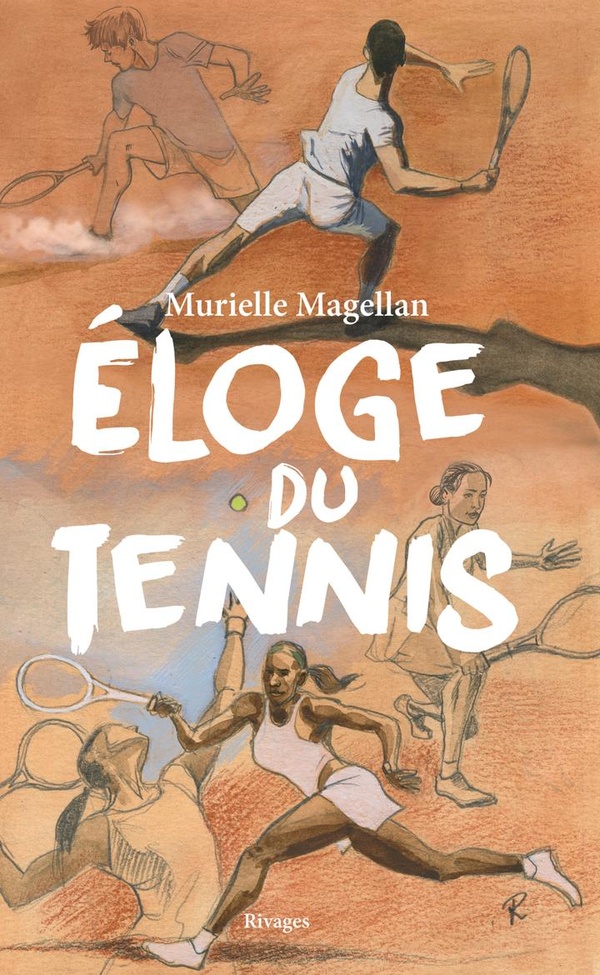
For anyone who waits all year for the US Open or a court spot in the park…
Once reserved for the aristocracy, tennis has become a sport for everyone. But do we really know all its secrets? Through the eyes of a novelist, Murielle Magellan explores the deeply human emotions that play out on the courts. Through a tribute to the great tennis champions—from Federer to Mauresmo, McEnroe, and Navratilova—she traces the history of tennis and highlights its impact on our society: the role of women, changing physical standards, and its influence on the arts and cinema. A true contemporary mythology, tennis is much more than a sport: it is a way of life.
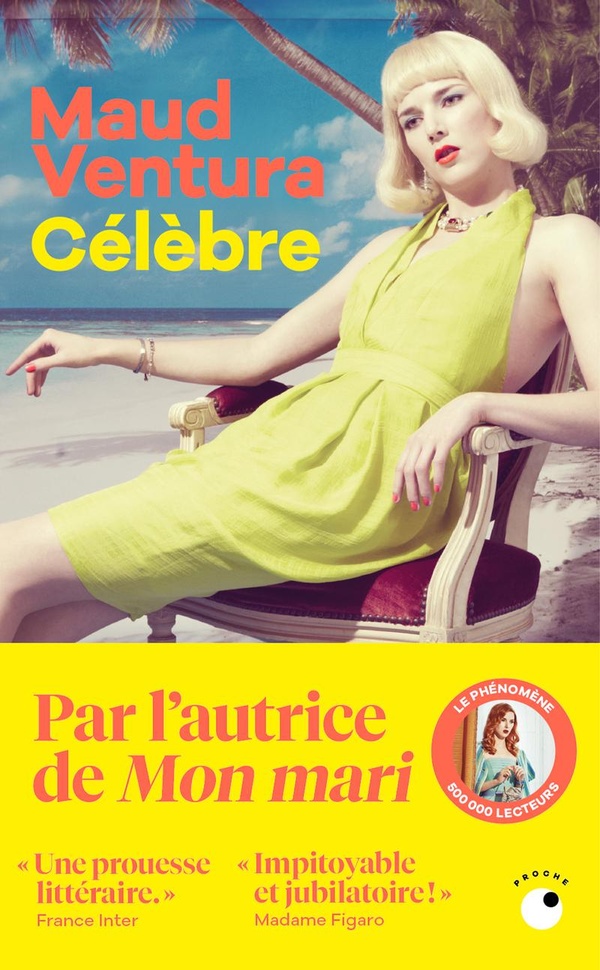
For a classic and spellbinding beach read…
At 32, Cléo is one of the most famous women in the world. Taking refuge on a deserted island far from the paparazzi, she believes she can finally breathe and forget. But you can’t escape your own secrets. So Cléo rewinds the tape: her beginnings, her fierce ambition, her dizzying rise… and those last few months when everything fell apart. How could she have lost control to such an extent?
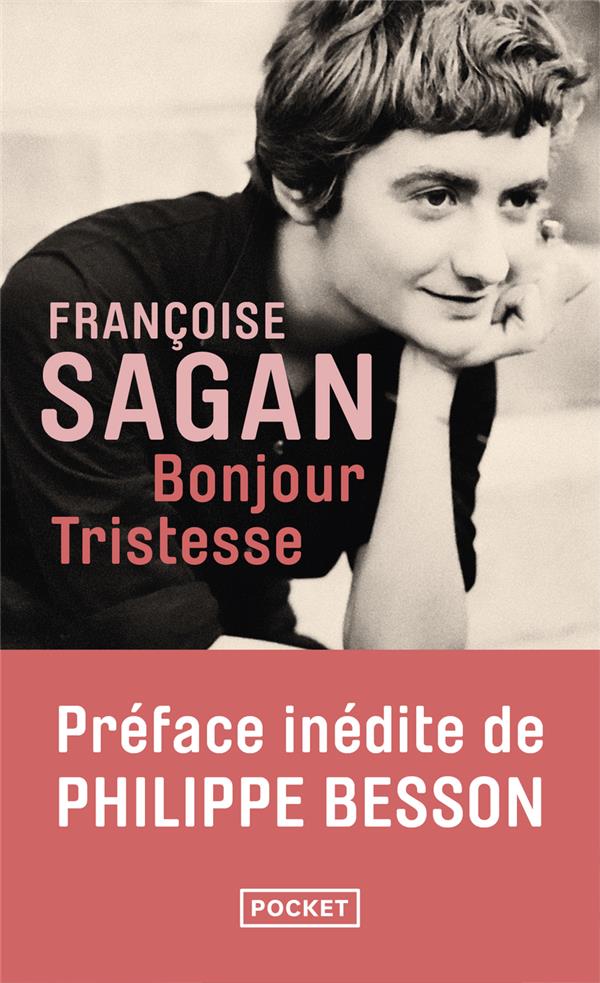
This book will transport you to the South of France and to adolescent first love, with its griefs and its highs…
Sagan’s first novel (summer 1954). Seventeen-year-old Cécile and her widowed father are having a good time. Living on their own, they don’t need anyone else. But the visit of an intelligent, calm woman disrupts their world.
The villa is magnificent, the summer scorching, the Mediterranean just a stone’s throw away. Cécile is seventeen. All she knows of love is kisses, dates, and weariness. Not for long. Her widowed father is a cheerful devotee of fleeting, inconsequential affairs. They have fun, they need no one, they are happy. The visit of a kind-hearted, intelligent, and calm woman disrupts this delightful chaos. How can they ward off the threat? In the blazing pine forest, a cruel game is brewing.
It was the summer of 1954. For the first time, we heard the dry, rapid voice of a “charming little monster” who would cause a scandal. The second half of the twentieth century was beginning. It would mirror this teenager torn between remorse and the cult of pleasure.
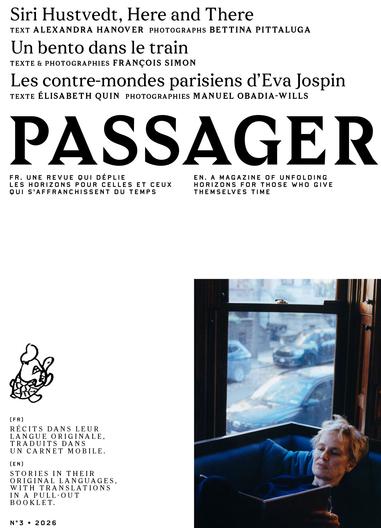
For all armchair travelers…
Blending the formats of a book and a magazine, PASSAGER explores the world of travel by offering fresh editorial perspectives. Each issue is part of a cohesive collection—a new issue does not replace the previous one.
PASSAGER opens its pages wide to all forms of travel, whether on the move or stationary, embracing extended periods of time, stops along the way, and unexpected journeys—on foot, by subway, by boat, or on horseback, far away or just down the street… All the way to escaping into the words and imagination of books.
PASSAGER is a travel journal, not a tourist guide. It features all forms of storytelling: interviews, long-form pieces, portfolios, portraits, poems, reports… Here, readers glean meaning, ideas, unique addresses, texts to rediscover, and unexpected encounters.
Available only in print, PASSAGER lends itself equally well to reading in bits and pieces or in one sitting.
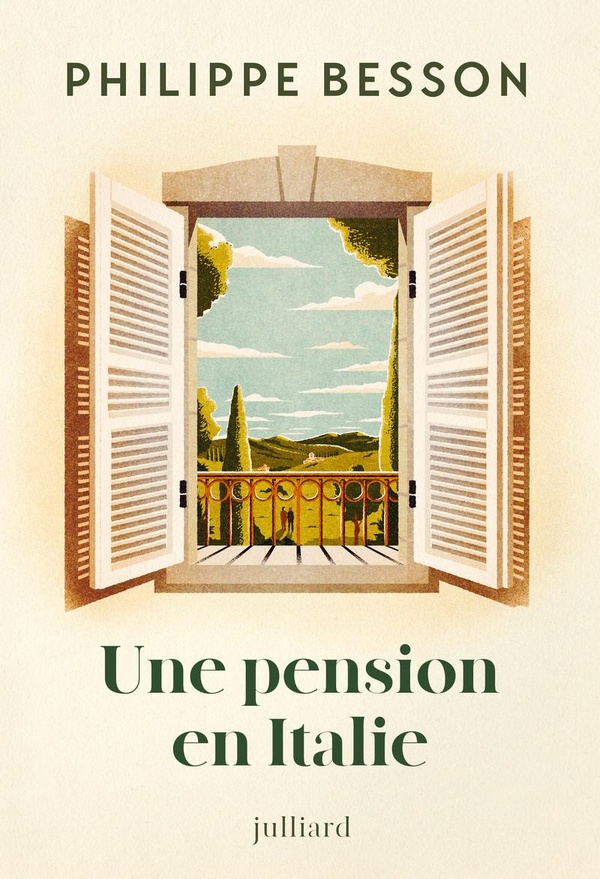
For readers of André Aciman or Edouard Louis..
Mid-1960s, in Tuscany.
A sweltering summer.
A French family on vacation.
An unexpected event.
Lives turned upside down forever.
A secret that immediately takes hold.
A writer, heir to this story, in search of the truth.
Blending suspense and sensuality, Une Pension en Italie is a radiant novel about the price one pays to be oneself, echoing A Room with a View and The Bridges of Madison County.
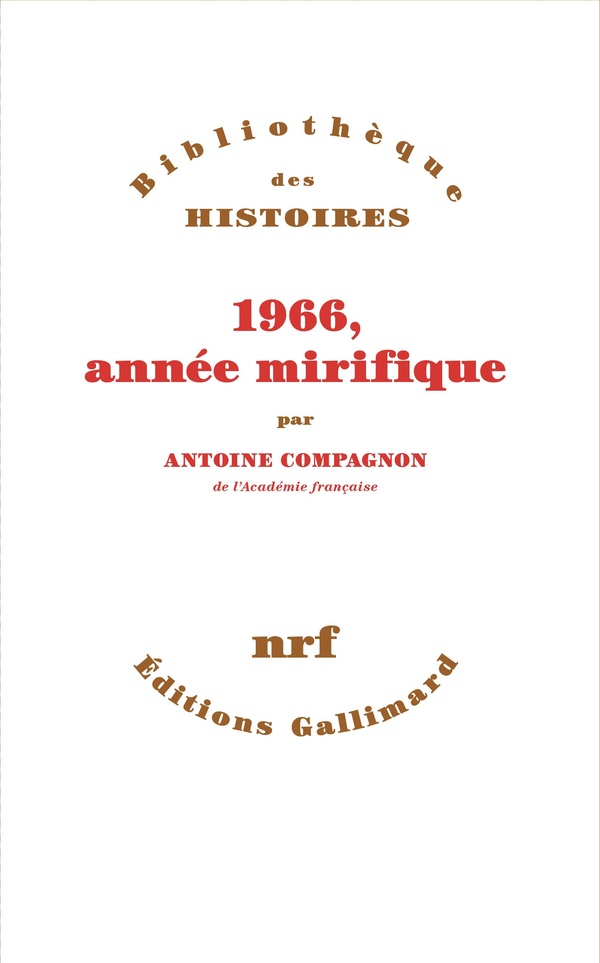
A history book that is both smart and propulsive, for anyone obsessed with the glamor and turmoil of the ’60s…
“The year of long hair and the miniskirt,” summarized the retrospective edition of *Actualités françaises* on December 27, 1966. The peak of the Glorious Thirty, the coming of age of the baby boomers, the start of an accelerated revolution in social mores, and the dawn of the affluent society—1966 was a turning point on many fronts: demographic, economic, political, social, and cultural. This profoundly innovative study seeks to reconstruct the fabric of those days, where, amid the tide of structuralism and the New Wave, Georges Perec, Michel Foucault, the disposable lighter, André Malraux, paperbacks, *La Grande Vadrouille*, the Philips microcassette, as well as Marguerite Duras, Aragon, Jean-Luc Godard, Roland Barthes, and many others intersect. It deals with things and words, sounds and images, but also with history and sociology, cinema and television, poetry and music, rebellion as well—two years before May—and memory, with the debate over the extermination camps. Nothing less is needed to reconstruct this prodigious conflagration that marks a threshold between two eras