
Contemporary Classics
In these recent books, contemporary authors find inspiration in the work and lives of classic novelists. Maryse Condé revisits the brooding world of Wuthering Heights, Lilia Hassaine probes the central mystery of Jane Eyre – the wife in the attic -, Stéphane Guégan brings vividly to life the world and romance of George Sand, and Laure Murat finds kinship and solace in the characters that populate Proust’s era-defining septology.
These books satisfy a craving for the immersive quality of 19th century novels, a craving that is ever on the rise. But they also expand our received ideas of what these stories are really about and highlight how fresh and bold they were at the time that they were written. We recommend reading them side by side with the books that inspired them for a full fall of reading.
Reading List
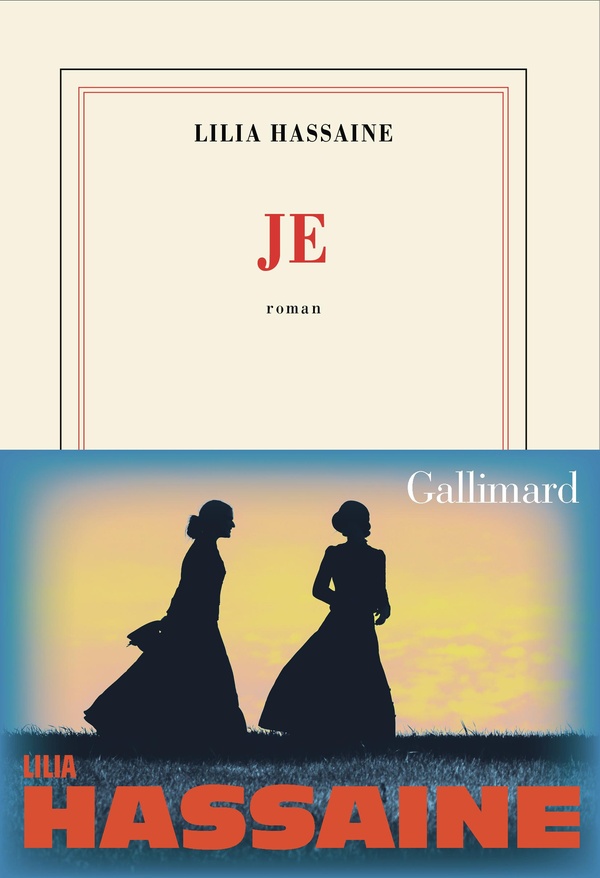
Following in the footsteps of Jean Rhys, Lilia Hassaine riffs on Jane Eyre’s gothic villain: the mad and mistreated wife. Antoinette is a complex and gripping character and Hassaine’s incisive storytelling complicates and revitalizes Charlotte Brontë’s classic.
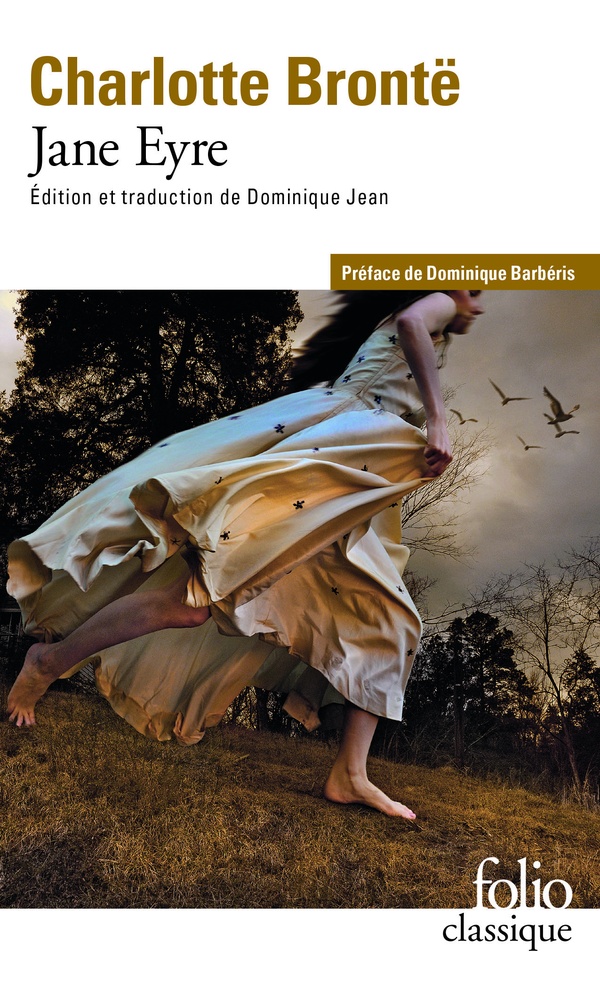
Why is it that we always return to *Jane Eyre* with the same fascination? With the sense that, within its pages, the novelistic form reaches a state of perfection? The book offers a distillation of everything the genre can produce: a coming-of-age story, a solitary soul confronting her destiny, passion, fear, and mystery. It is the rebellion of someone who has been humiliated—a woman deemed “improper” precisely because she stands up to men. Jane is fierce, direct, and, in many ways, a feminist. Opposite her stands the “black swan,” Rochester—a scandalous seducer, at once sadistic and tender, a father figure and a lover. This voluptuous, thinly veiled autobiography—for behind Jane, one senses the presence of Charlotte herself—creates the impression of a soul speaking directly to another soul.

Laure Murat finds a mirror of her own family in the vanished world of A la recherche du temps perdu. Proust is like a long-lost cousin to her, his life overlapping with those of her great-grandparents. As her relationship to her own family fractures, she comes to identify more and more with the narrator and his own transgressions. This is a beautiful meditation on kinship, taboo, literature, and above all, the timelessness of Proust.
The Narrator looks back on the child he once was: the anticipation of his mother’s goodnight kiss, Sunday lunches at Aunt Léonie’s, gifts from his grandmother. He is fascinated by M. Swann, a friend of his parents, who is madly in love with a woman who loves everyone but him. He himself falls for Swann’s daughter, Gilberte—a devotion that brings him no greater happiness. Through these scenes of life—intimate or social, tragic or comic—drift impressions, scents, and visions: water lilies on a river’s surface, a *madeleine* forgotten in a cup of tea, *Cattleya* orchids in the hair of a beloved woman, an agate marble given as a token of friendship… But once grown, how can one remain that wide-eyed child in a world no longer recognizable—a world where love is suffering, desire is jealousy, and “the memory of a certain image is but the regret for a certain moment”?
Reminiscences of a lost childhood, a tale of impossible love, a satire of high society trapped in the fleeting whims of fashion, and a philosophical exploration of involuntary memory— Du côté de chez Swann is all of these things at once.
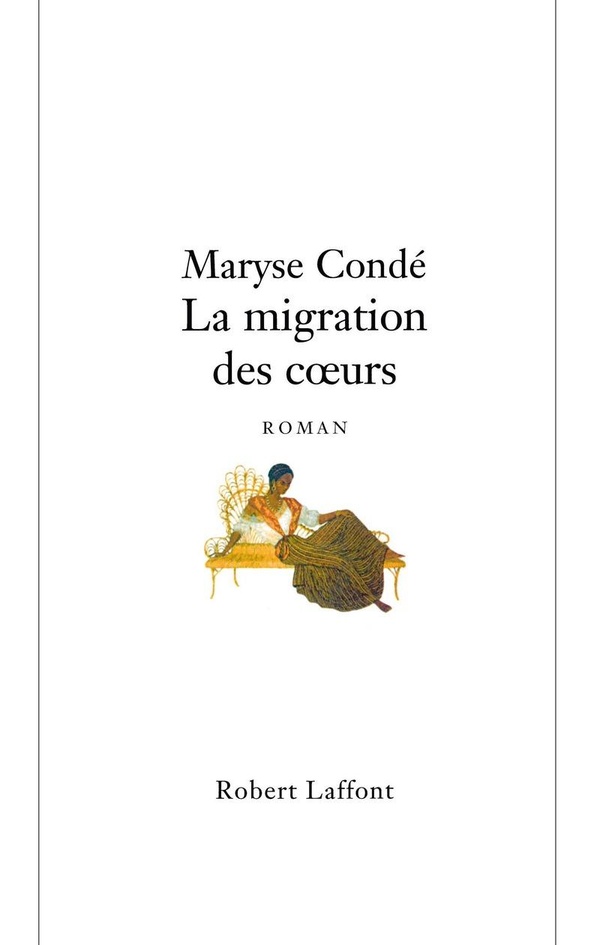
La Migration des coeurs is a free variation on the original, imbued with violence and sensuality. Condé reimagines the character of Heathcliff as Razyé, setting their lethal passion—and his bond with Cathy—against the backdrop of Cuba and Guadeloupe in the final quarter of the 19th century. Through consuming loves, ancestral hatreds, family rivalries, and the occult forces of religion, the author takes us on an exotic, lush journey, laying bare the profound emotions and inner turmoil of both soul and body.
The writing—a hybrid language, a carnal fusion of French and Creole—combined with an inventive, subtle structure and the tragic authenticity of the characters, gives this novel its spellbinding power.
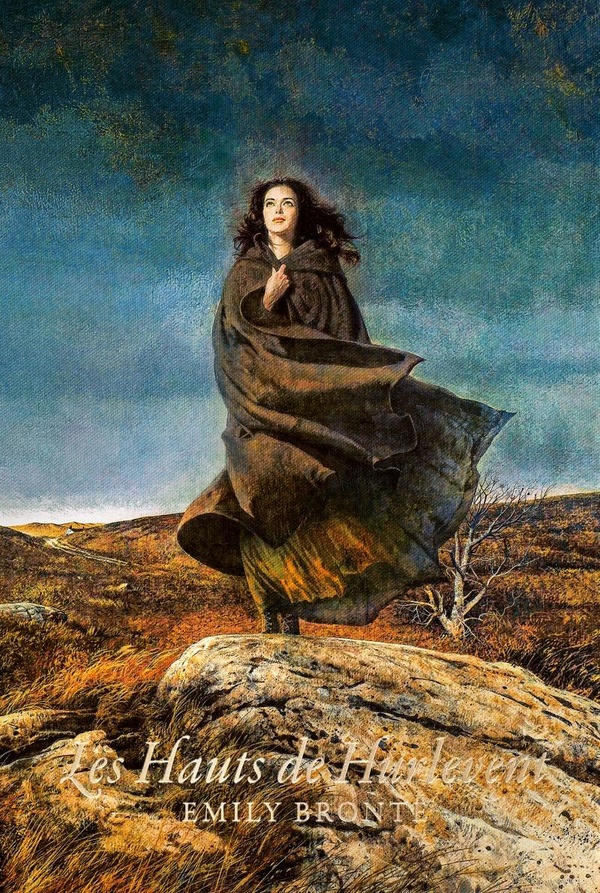
On the wild moors of Yorkshire, an absolute, indomitable passion takes root. Between Heathcliff—a foundling who grows into a dark, brooding man—and the proud, elusive Catherine, the bond transcends mere love, becoming an all-consuming force. Kept apart by social convention, yet reunited by an obsession stronger than life itself, they draw entire families and generations into their wake. Driven by desire, vengeance, and an extreme, unwavering devotion, they find no peace and no oblivion. In Wuthering Heights, Emily Brontë crafts a novel of pure, taut, and harrowing passion—a world where to love is to risk losing everything.
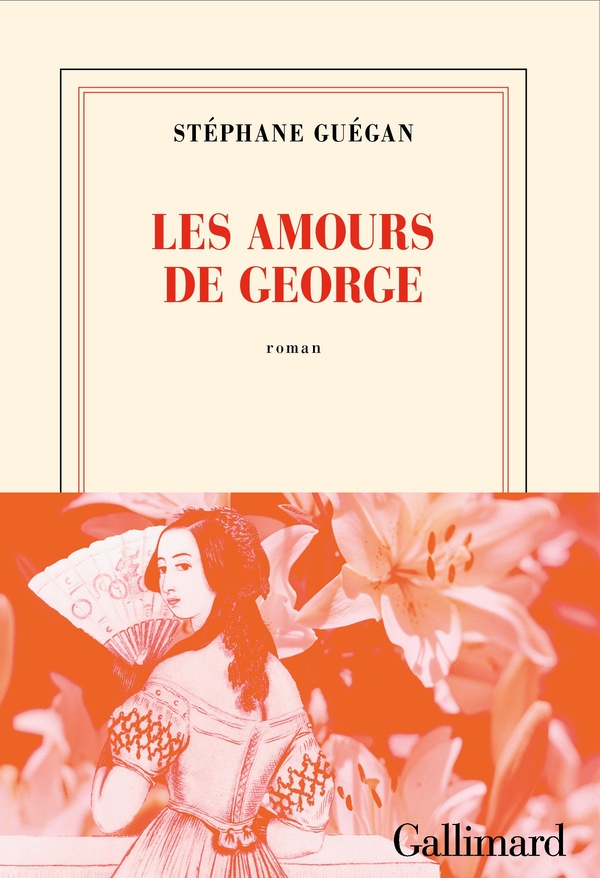
“At heart, a successful love affair—much like a successful novel—is a rare thing. Perhaps, by constantly depicting romantic passion, I shall one day come to know it myself. Everything I write calls out for it.” George Sand did indeed love, her biographers tell us. Loving and writing were, in fact, the two great pursuits of her life. But what do we truly know about it? The historical record frequently runs up against silences and acts of censorship. Here, we discover a woman of desire, whose inner fire burns as intensely as the emotions she portrayed and the unforgettable heroines she created. Figures such as Sandeau, Mérimée, Musset, Balzac, Chopin, and Delacroix—alongside Marie Dorval and several other formidable, independent women—re-emerge on the stage, breathing new life into Romanticism: that golden age of authentic existence.